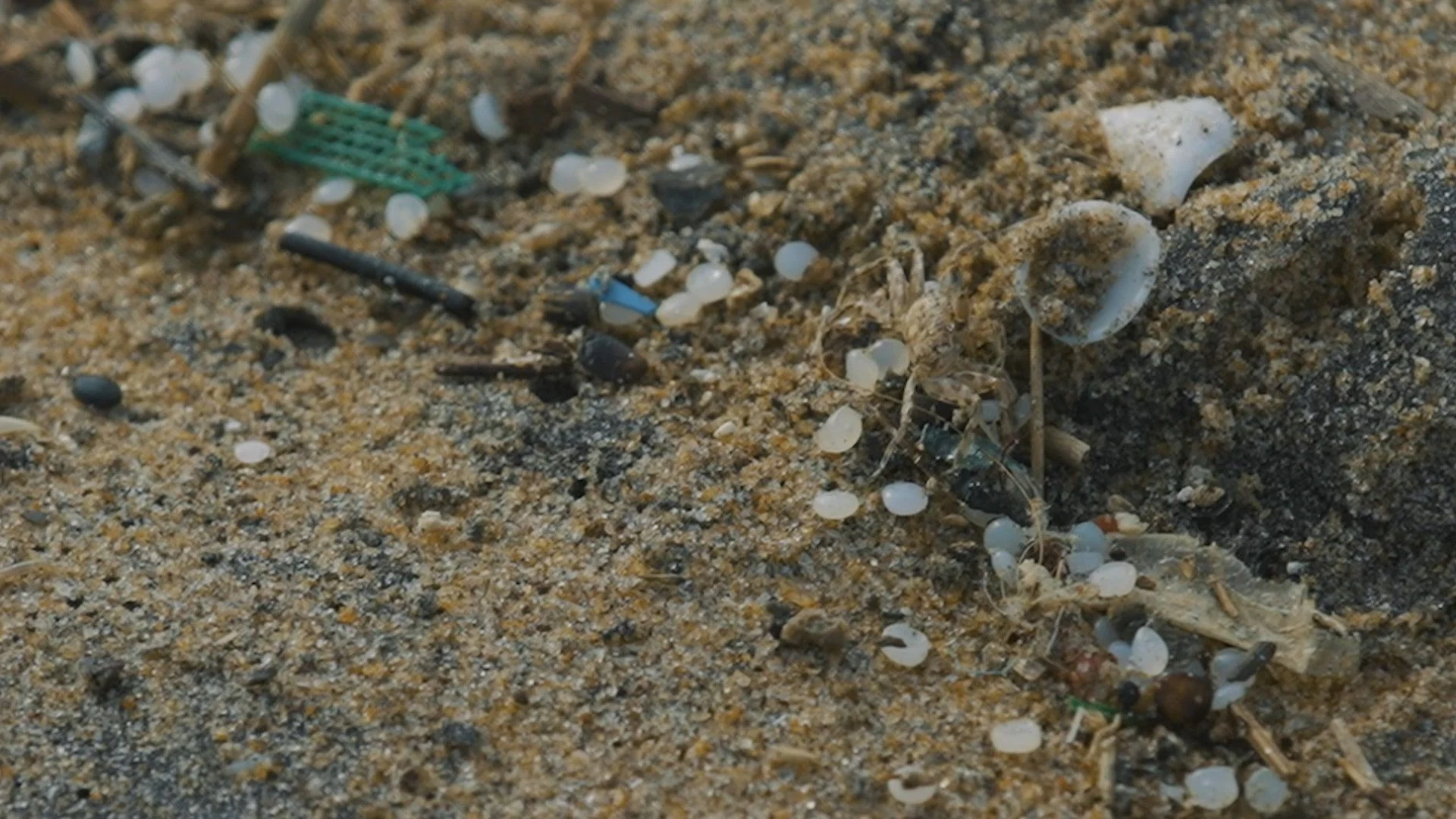
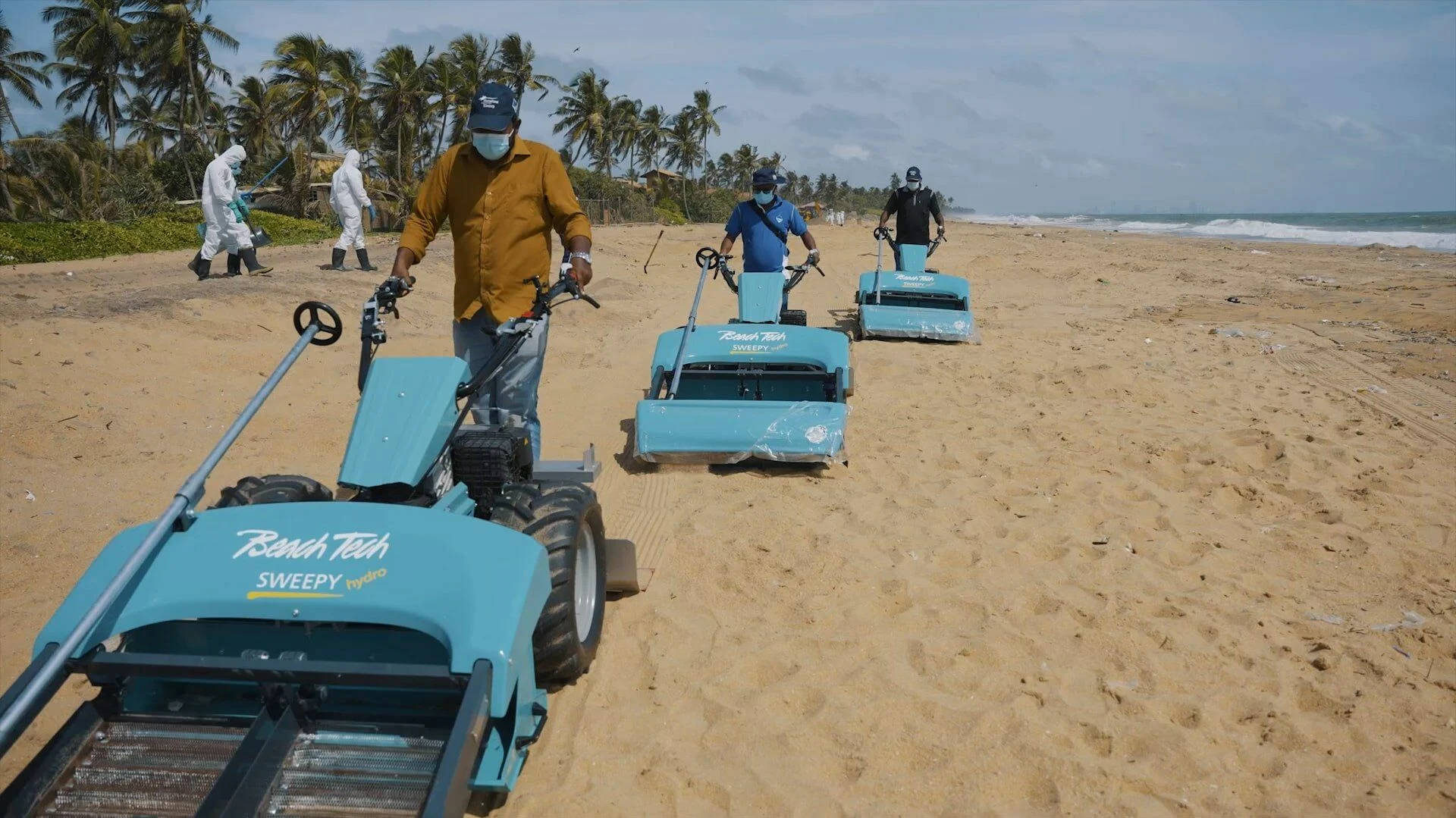
Nurdles are lentil-sized plastic pellets, the raw material of the plastics industry. Most reach the environment through transport accidents, improper storage or losses during loading, and according to BeachTech about 130,000 tonnes of them end up in the oceans every year. They do not break down: they settle in the sand, are mistaken for food by marine animals and carry pollutants into the food chain. Picking them up by hand is slow and exhausting, so BeachTech beach cleaners screen them out of the sand mechanically, quickly and over large areas, before the waves carry them back into the sea.
How the machines remove nurdles
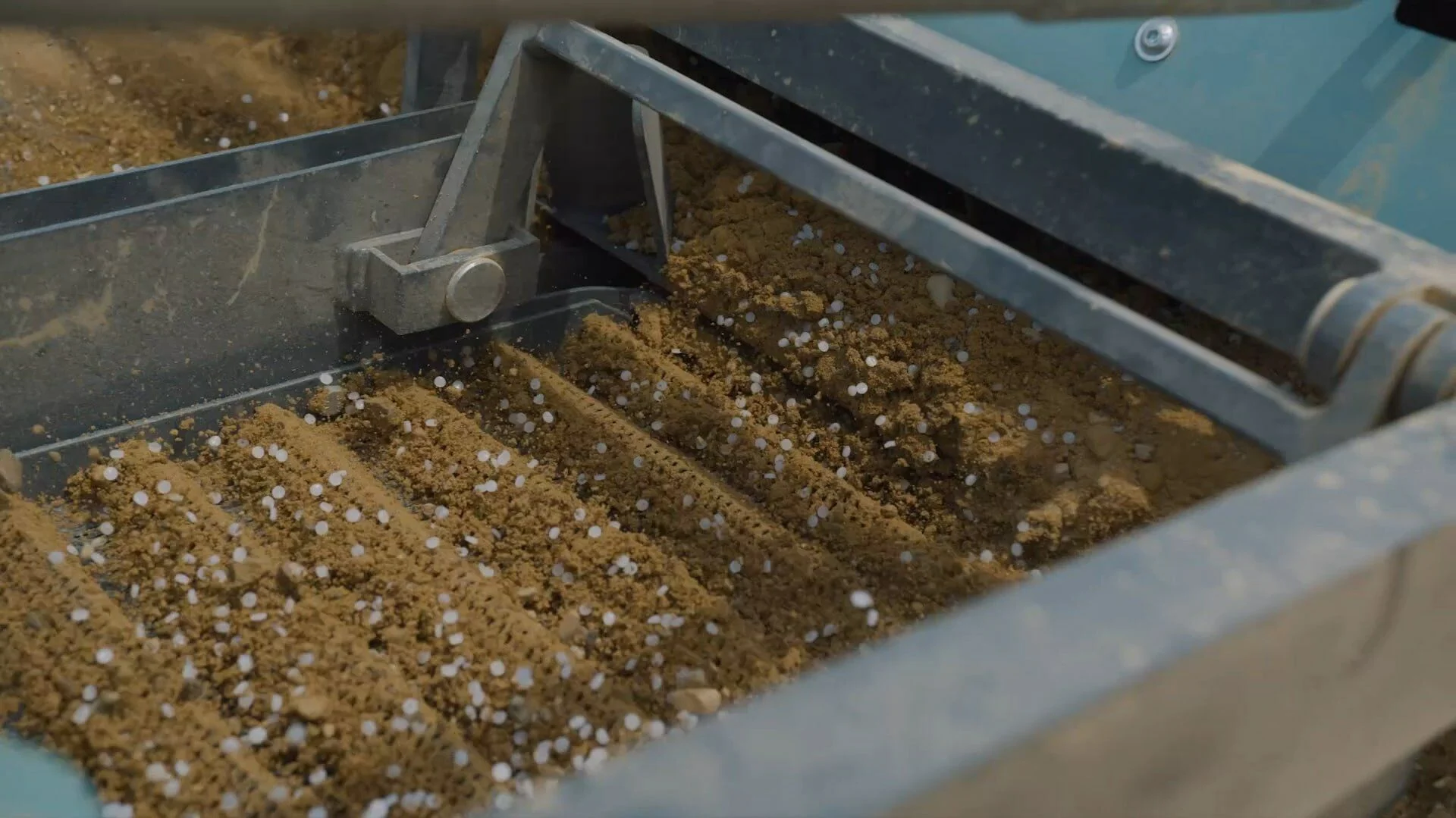
- Fine-mesh screens. A fine-mesh screen filters large quantities of pellets out of dry sand. Different screen sizes are available depending on the site.
- Removal rate. According to the manufacturer, its patented cleaning technology removes up to 95 % of the nurdles from the sand in a single pass. Complete removal is hardly possible, but contamination drops sharply and the beach can be used again.
- Depth and area. A working depth of up to 30 cm also picks up pellets below the surface, and BeachTech beach cleaners cover up to 30,000 m²/h, about six football fields, according to BeachTech.
- Result. The machines leave deep-cleaned, level sand. Compared with manual collection, the clean-up is faster, less physically demanding and safer for the people taking part.
Nurdle clean-up in Sri Lanka
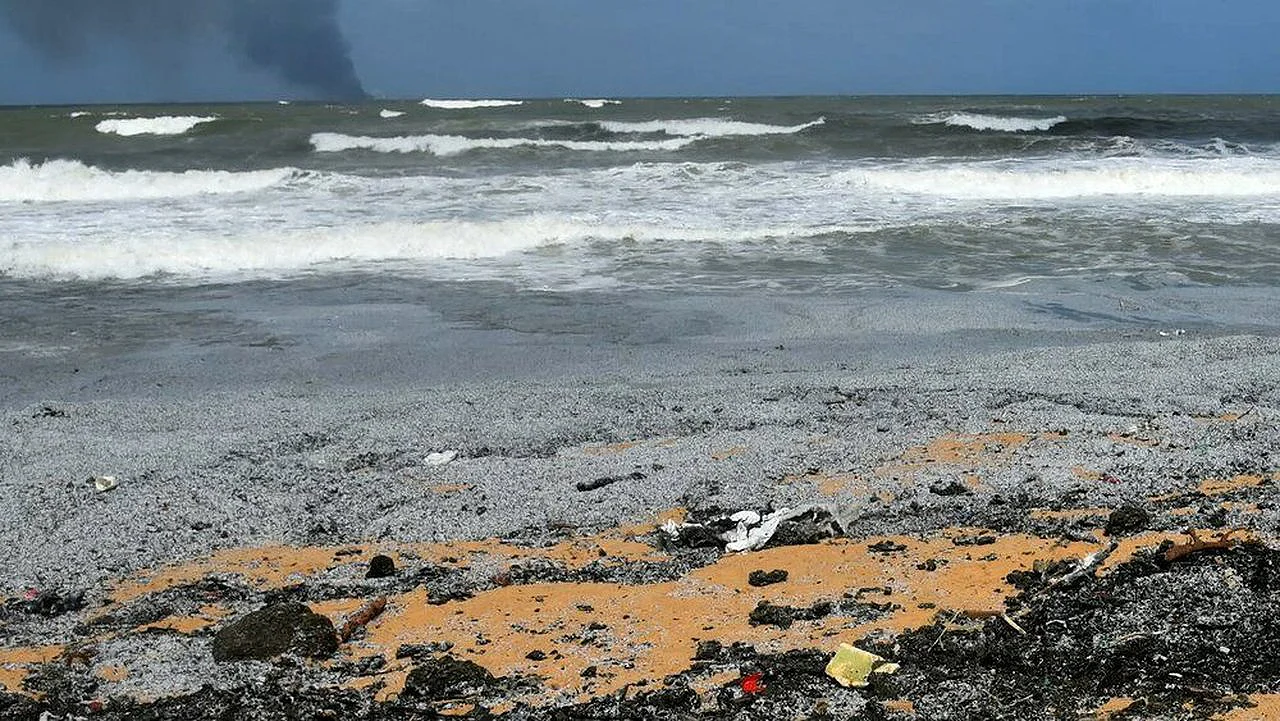
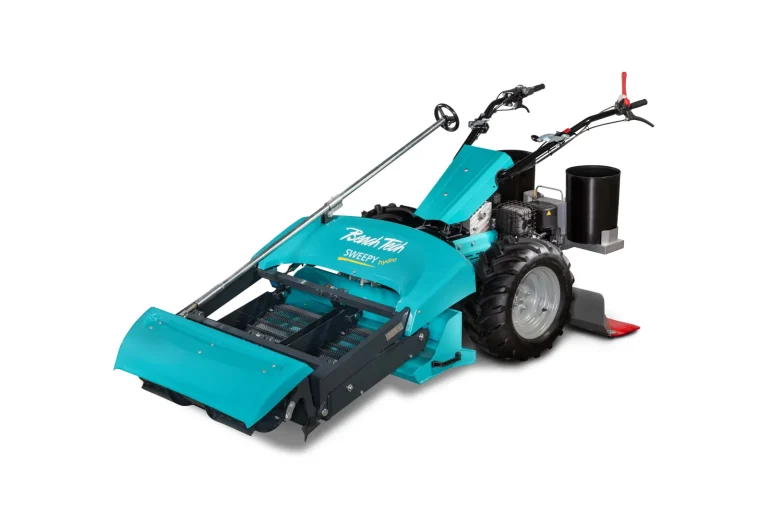
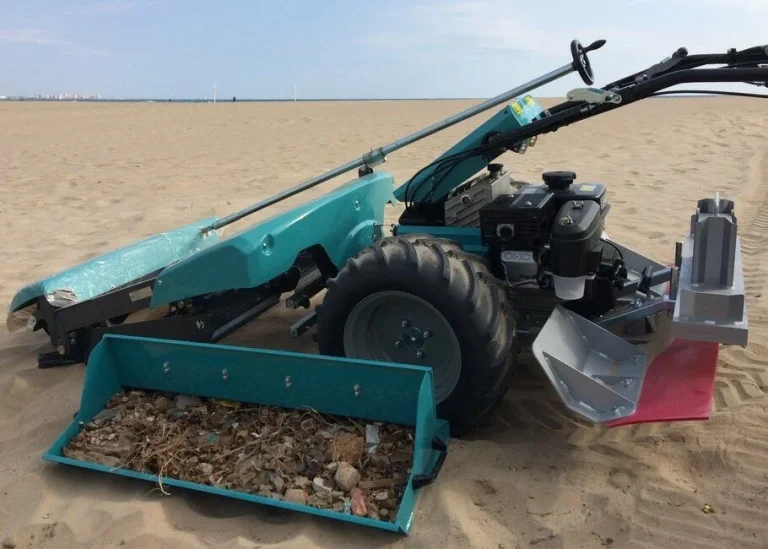
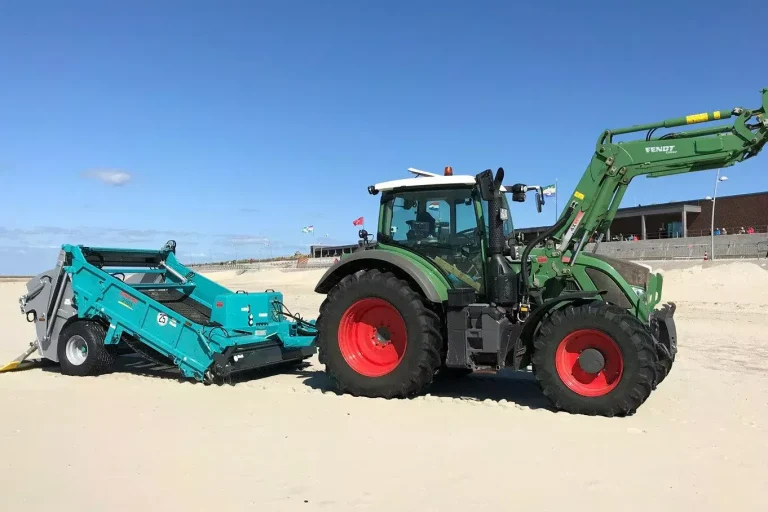
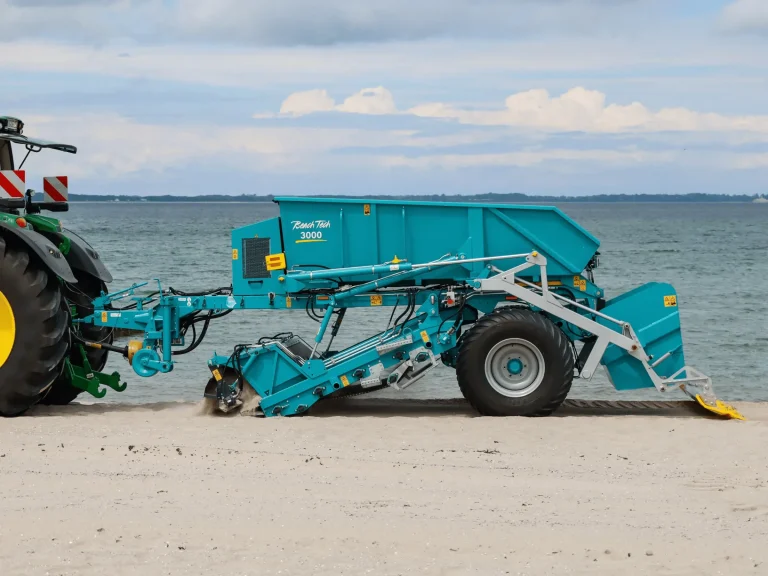
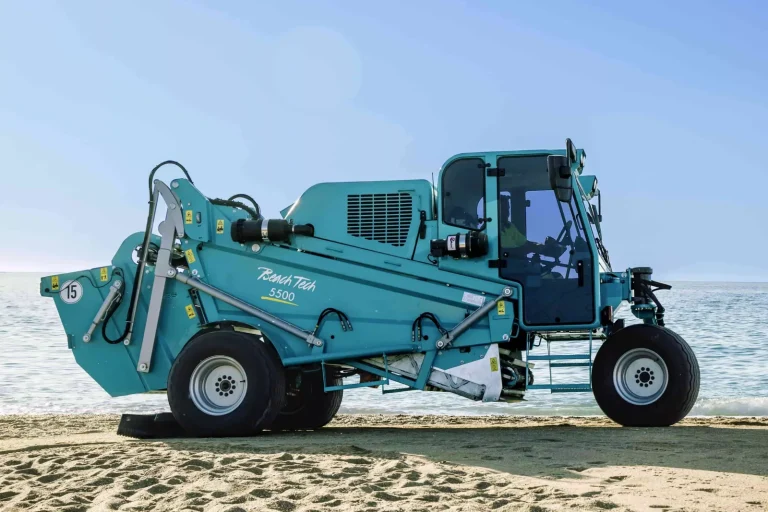
When the vessel X-Press Pearl sank off the coast of Colombo, Sri Lanka, countless nurdles spread along about 700 km of coastline. The Alliance to End Plastic Waste supported Sri Lanka’s Marine Environment Protection Authority with several walk-behind BeachTech Sweepy machines to capture them. Walk-behind cleaners such as the Sweepy Hydro are particularly maneuverable and flexible, and their fine-mesh screen filters a large number of pellets out of the sand; towed and self-propelled models cover larger beaches.
Telemet support
Telemet’s team works with BeachTech to recommend the right machine and configuration for each site and to support it in service, with spare parts, technical service and training. Ask a specialist about availability for your project.