Wastewater from agricultural and food operations has characteristics that set it apart from that of other industries. It is usually non-toxic and biodegradable, but it often has high concentrations of biochemical oxygen demand (BOD) and suspended solids (SS), and the effluent varies with the product, whether vegetables, fruit or meat, and with the seasonal nature of processing and post-harvest work.
Typical wastewater
- Vegetable washing generates high loads of particulate matter, some dissolved organics and, at times, surfactants.
- Animal slaughter and processing produce very strong organic waste from body fluids, frequently contaminated with antibiotics, growth hormones and the pesticides used to control external parasites.
- Agricultural wastewater can carry pesticides, fertilizers and salts; evaporation ponds keep it from contaminating the bodies of water it would otherwise reach by gravity.
Settling ponds and mechanical evaporation
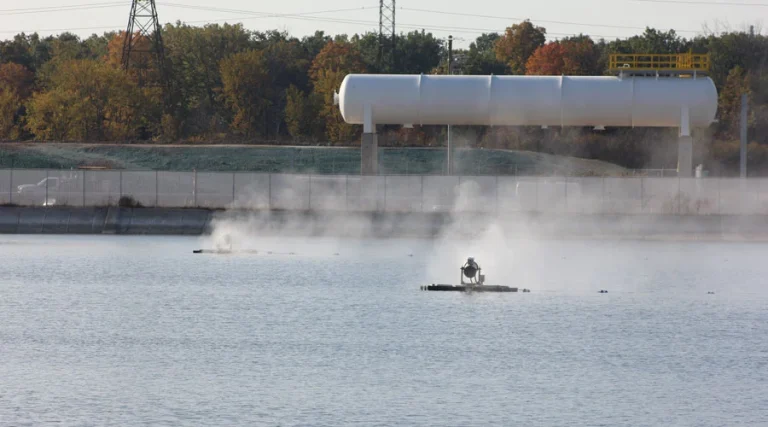
In many cases this wastewater is sent to settling ponds, where solids sink and BOD is reduced naturally. It is a common and useful practice, but the ponds need a large area of land and can be difficult and costly to manage.
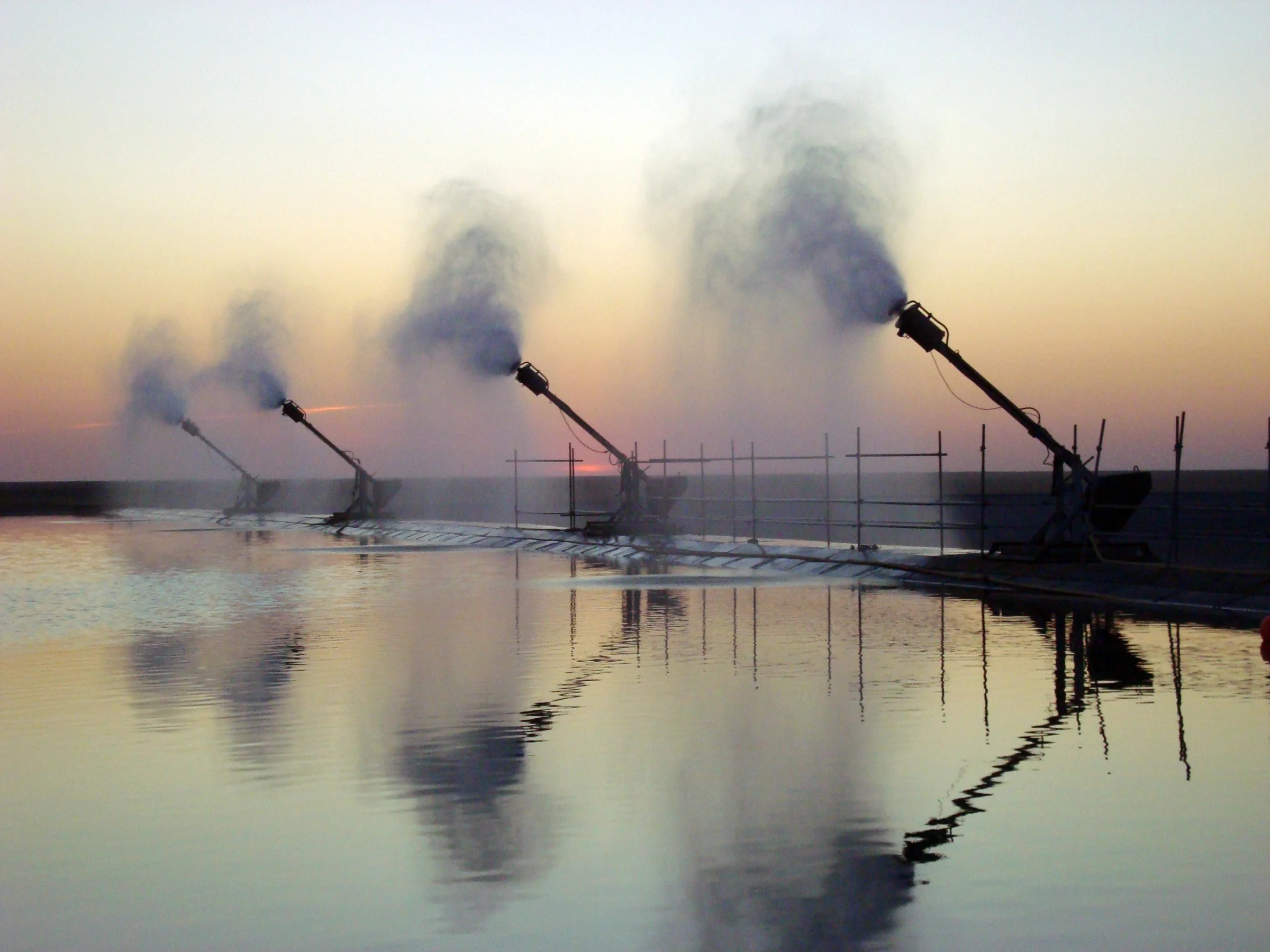
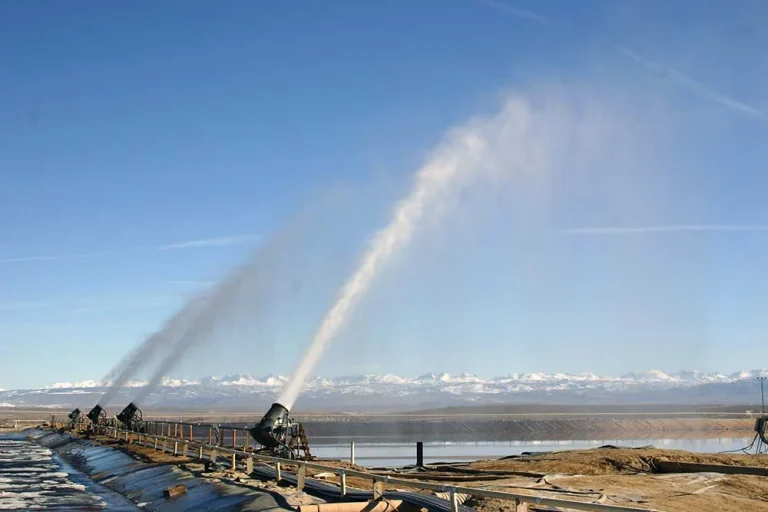
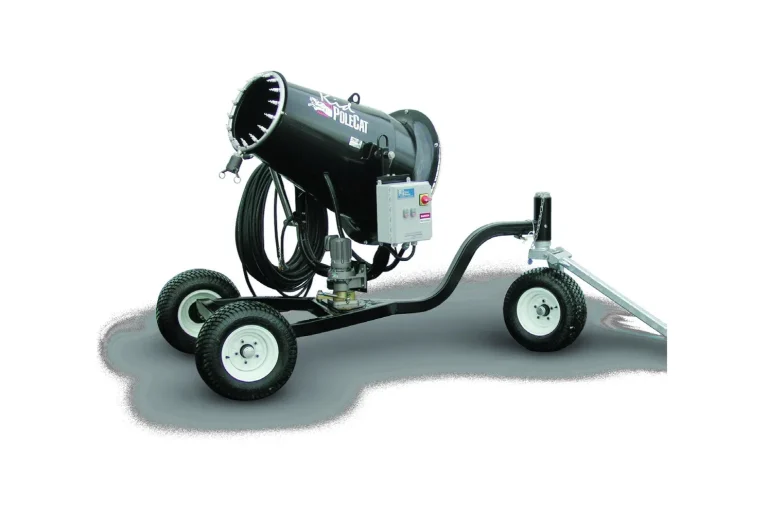
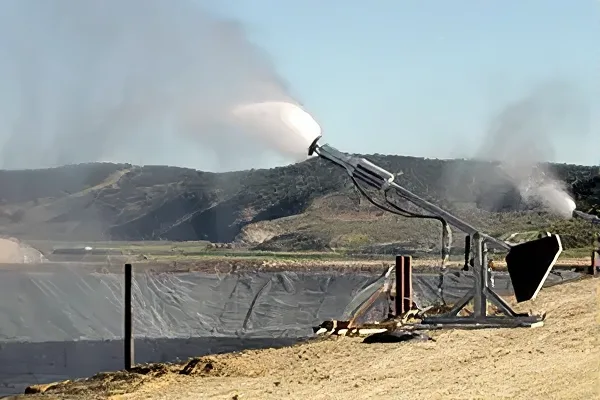
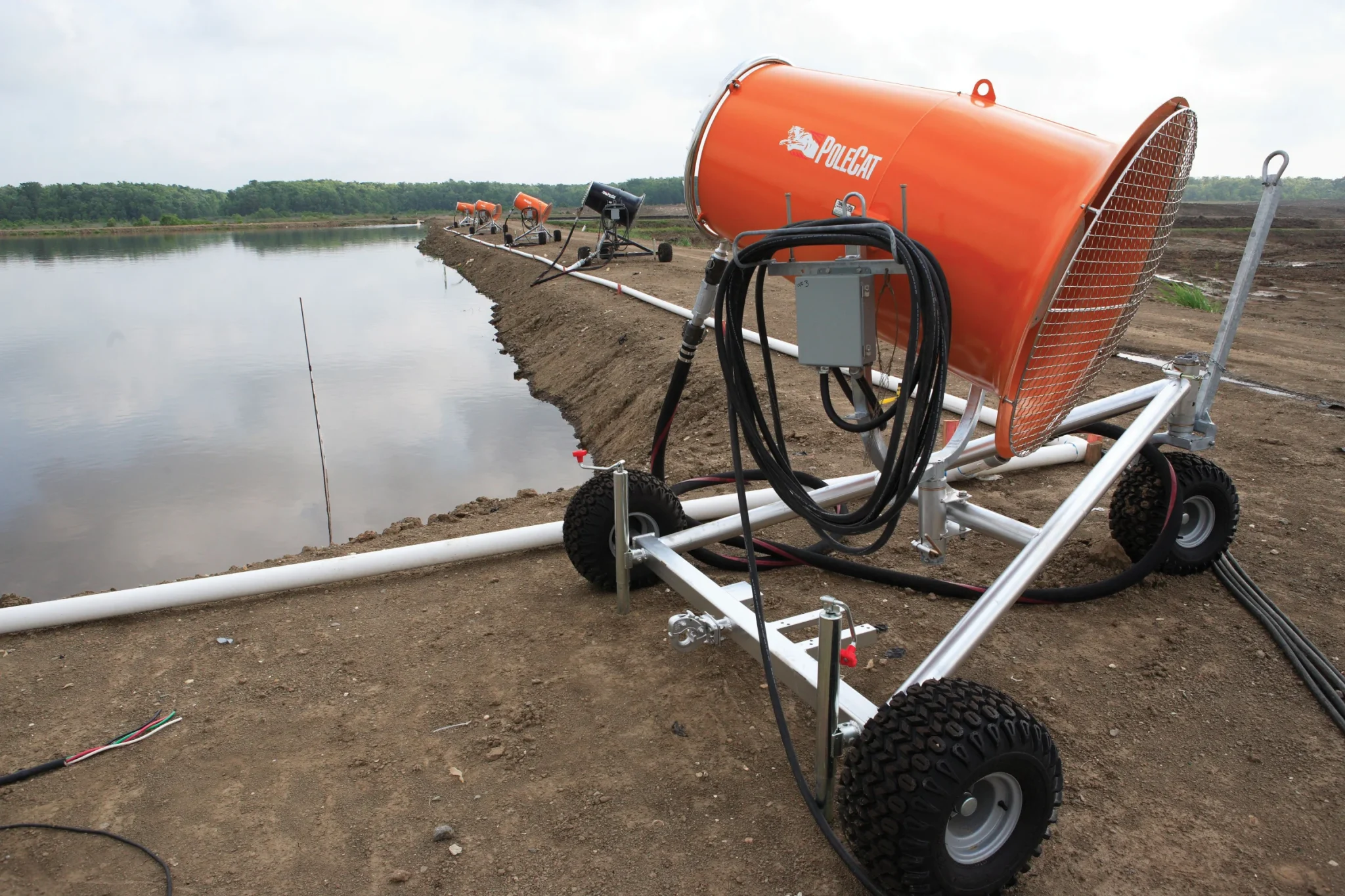
SMI mechanical evaporators lower the volume of existing ponds without re-engineering, re-permitting or enlarging them. According to SMI, they are up to 14 times more efficient than the same area of pond. They are relatively compact, reliable and efficient, can be moved to other sites as needed, and can enhance evaporation on existing containment ponds or minimize the surface of new ones.
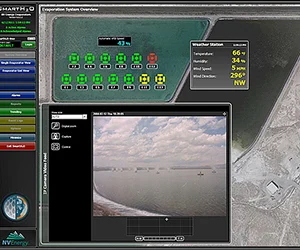
SMI supplies the complete process water system, from the initial site analysis to remote, centralized computer control.
Telemet support
Telemet’s team works with SMI Evaporative Solutions to recommend the right machine and configuration for each site and to support it in service, with spare parts, technical service and training. Ask a specialist about availability for your project.