Power generation is a water-intensive process, and most of that water is used for condenser cooling. How far the cooling towers can reuse it is limited by the solids dissolved in the water, mainly calcium hardness and silica; silica concentrations frequently limit the cycles of concentration in the circulating water. As a result, most of the wastewater a power plant produces is cooling tower blowdown.
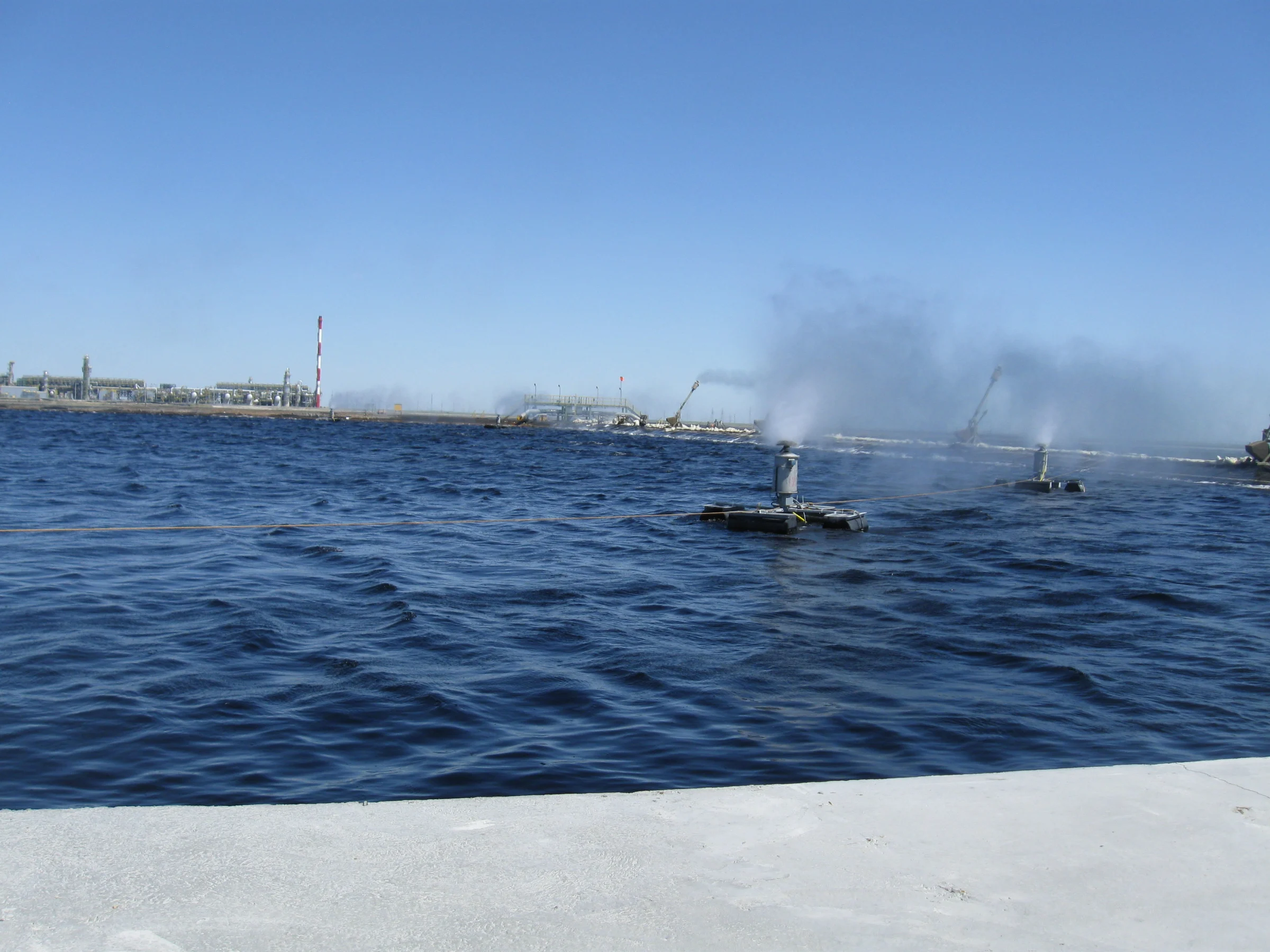
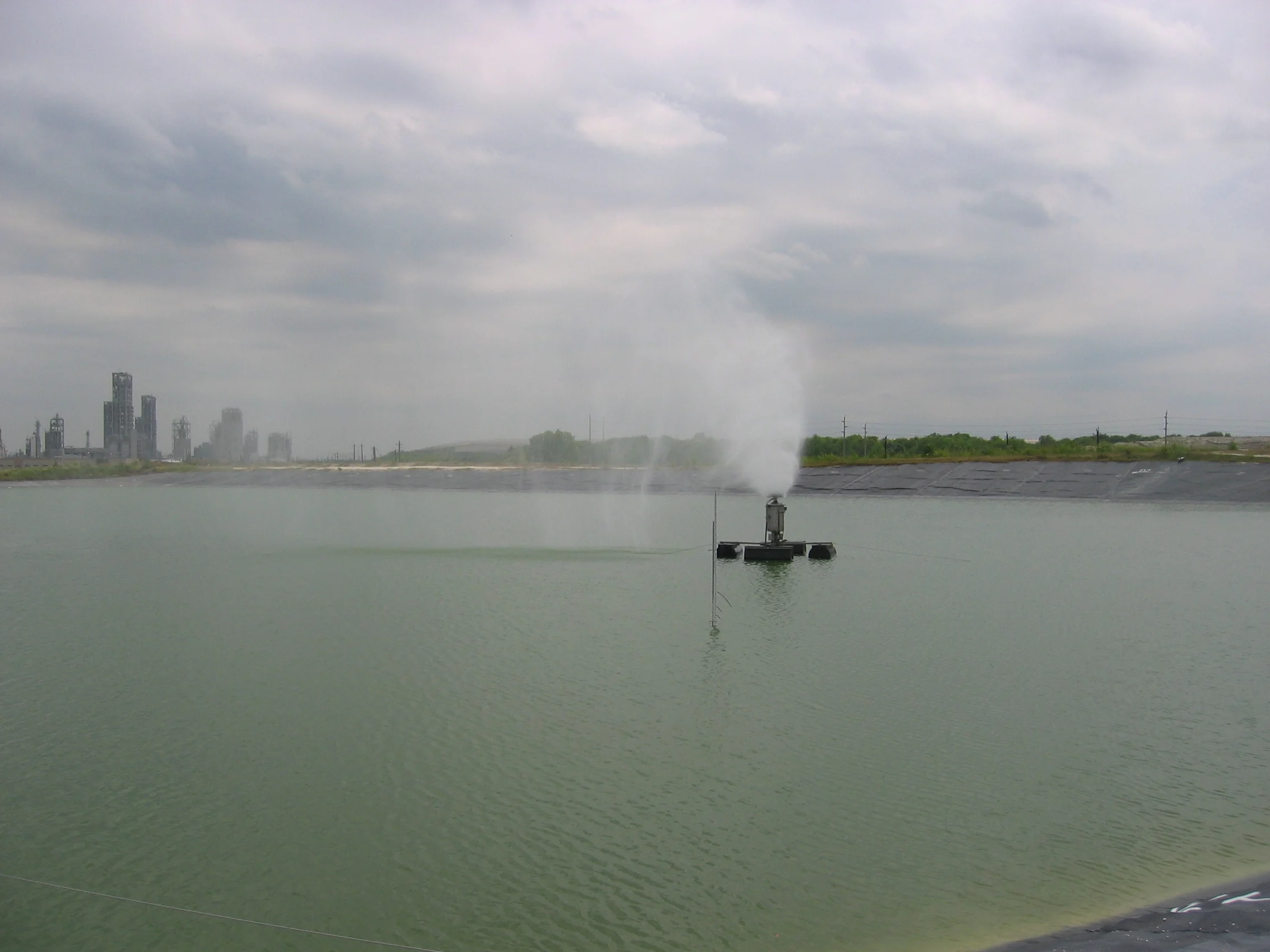
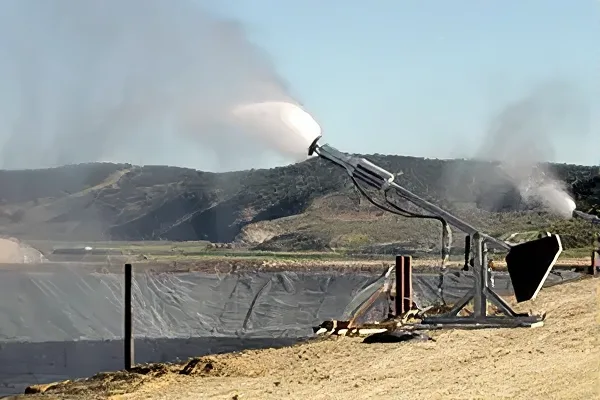
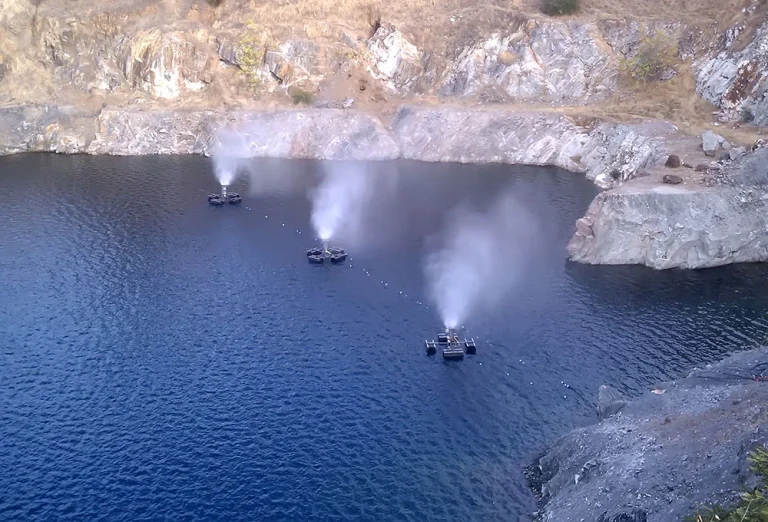
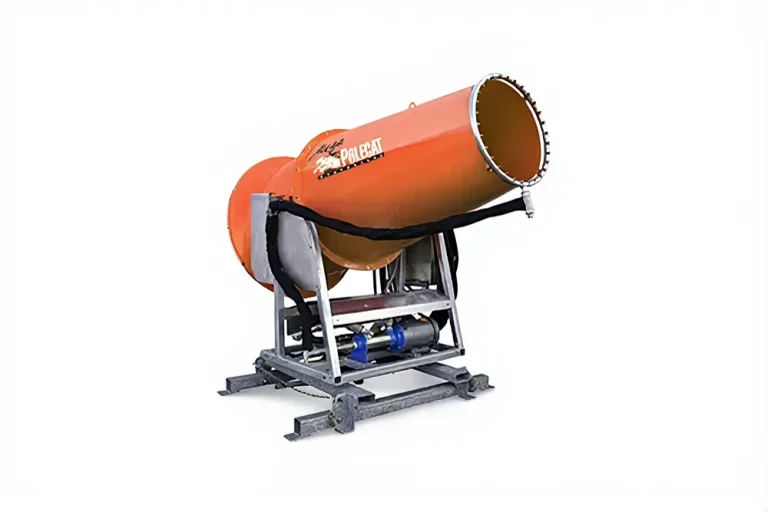
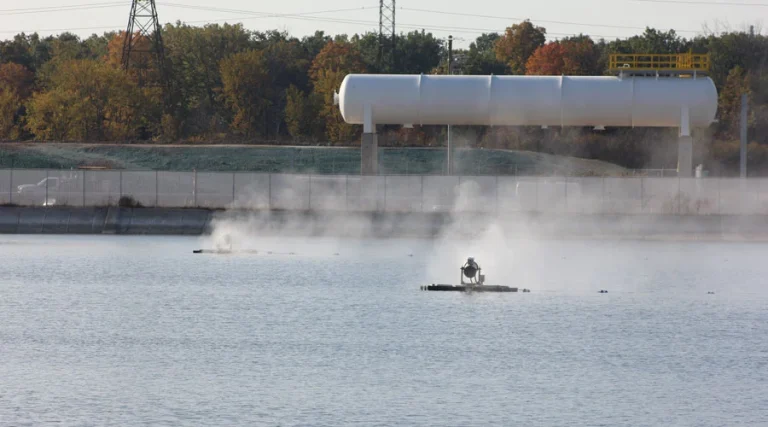
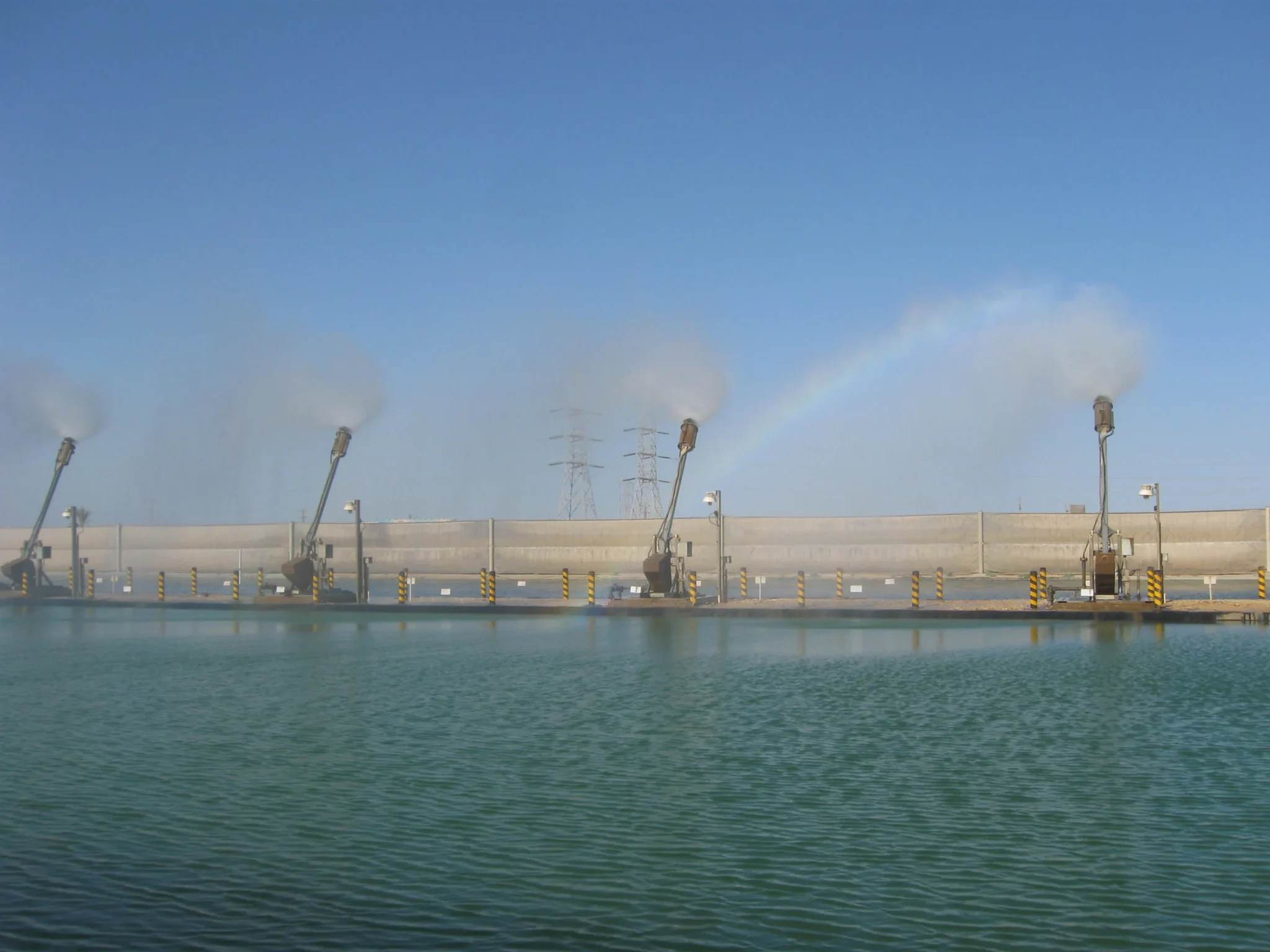
SMI mechanical evaporators lower the volume of the ponds that hold this water, faster than natural evaporation. According to SMI, they offer a cost-effective way to lower the volume of contaminated water sources and to approach zero discharge in practice, with up to 14 times more efficiency than the same area of pond.
Water that evaporators help reduce
- Cooling tower blowdown, the water drained from the circuit to keep dissolved solids under control.
- Off-line settling ponds and scrubber evaporation ponds, which let power plants handle large water volumes without a direct discharge to surface water.
- Other contaminated water sources at the plant whose volume needs to be reduced.
Evaporation reduces the volume of water; the dissolved solids stay in the pond, so the water composition is reviewed for each project.
What evaporators add to existing ponds
- No pond rework. Evaporation increases on existing ponds without re-engineering, re-permitting or enlarging them.
- Less new pond surface when new containment is needed.
- Portable equipment. The machines are relatively compact, reliable and efficient, and they can be moved to other sites as needed.
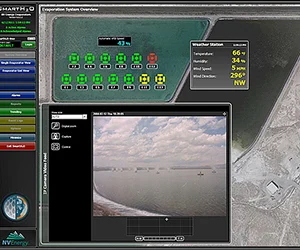
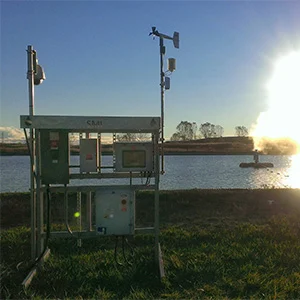
- Complete system. SMI covers the project from the initial site analysis to remote, centralized computer control.
Telemet support
Telemet’s team works with SMI Evaporative Solutions to recommend the right machine and configuration for each site and to support it in service, with spare parts, technical service and training. Ask a specialist about availability for your project.