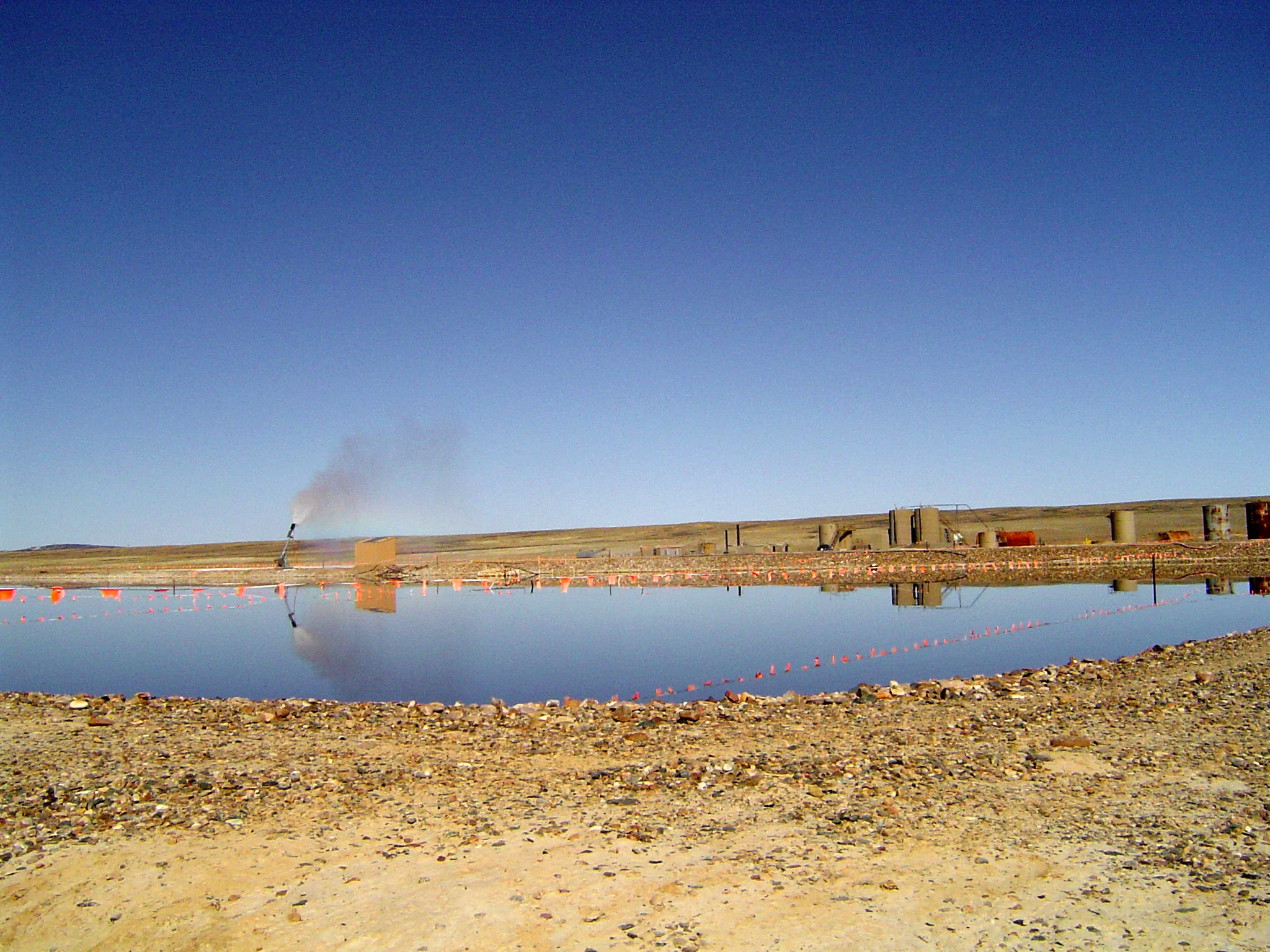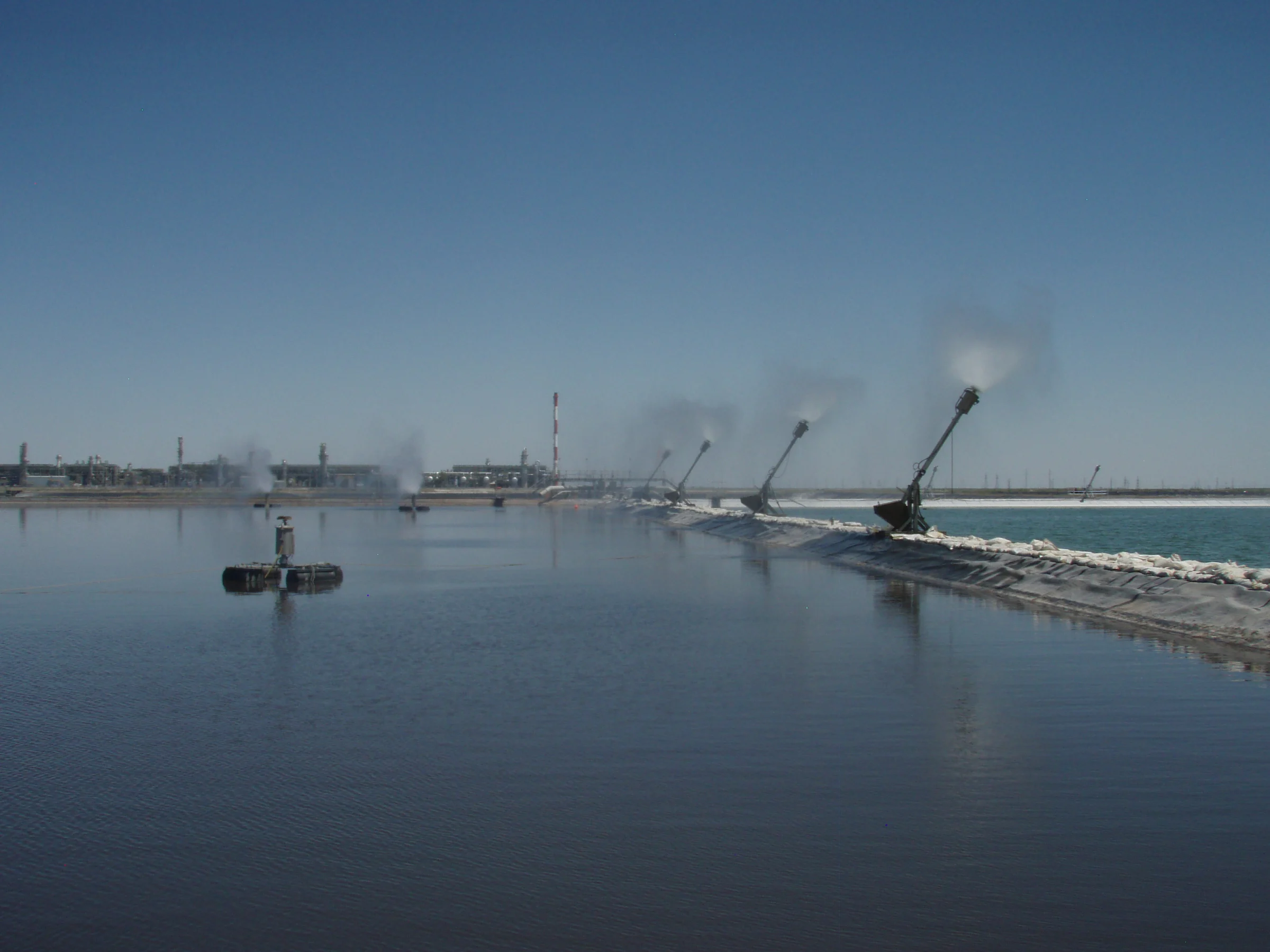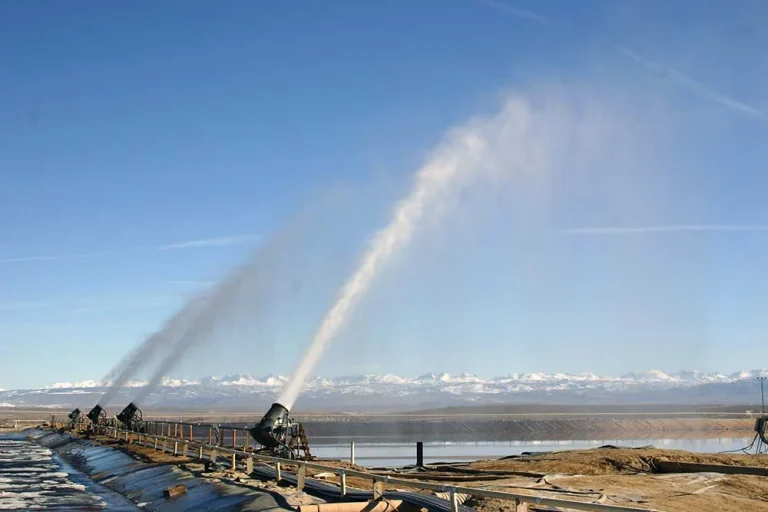
Produced water is the water that comes to the surface with oil and gas. A well may start out producing little water, but sooner or later every oil well produces a much larger volume of water than oil, and disposing of it efficiently and economically is a major part of the cost of production. The traditional method, injection wells, usually requires pumping and hauling the water to a location for storage and handling: it is labor-intensive, and it takes up land that could otherwise be used for production or reclaimed.
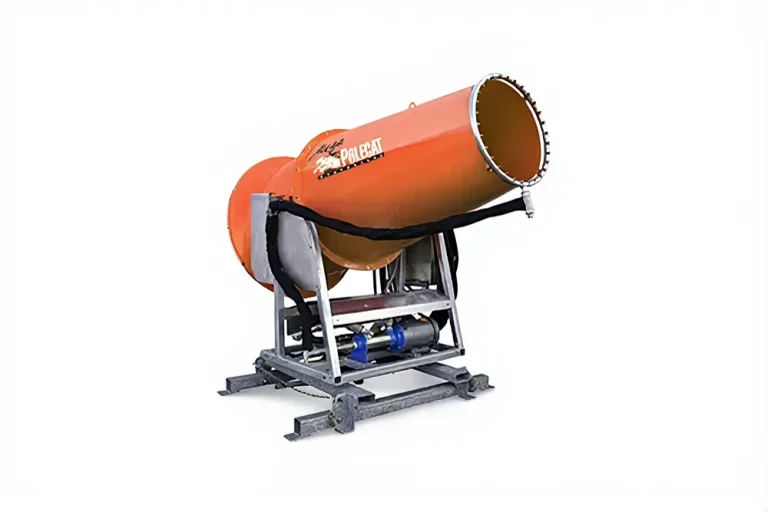
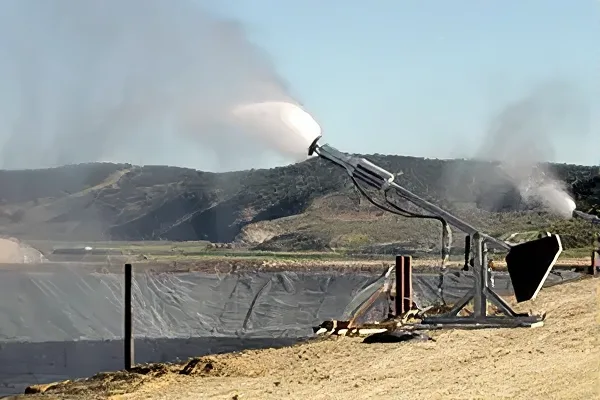
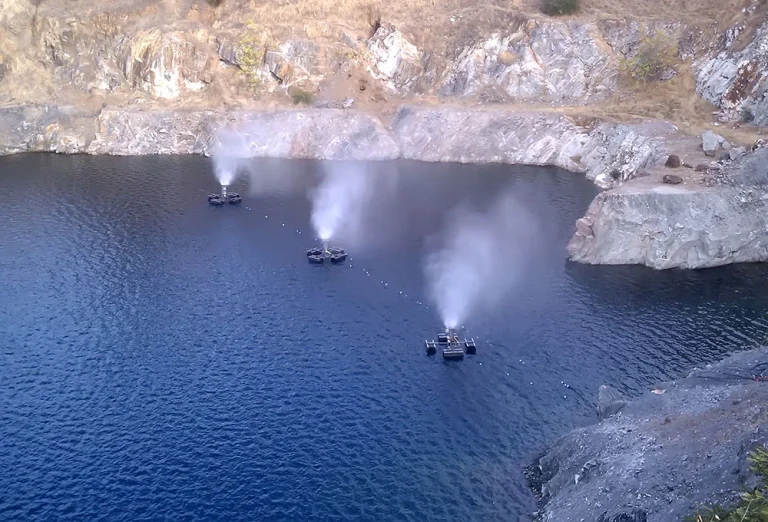
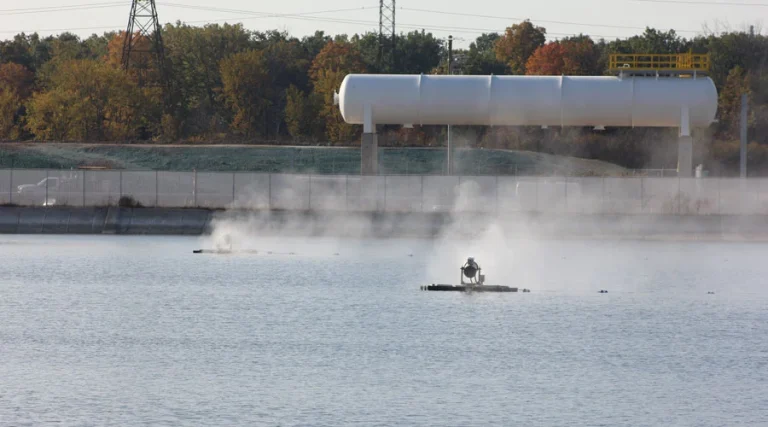
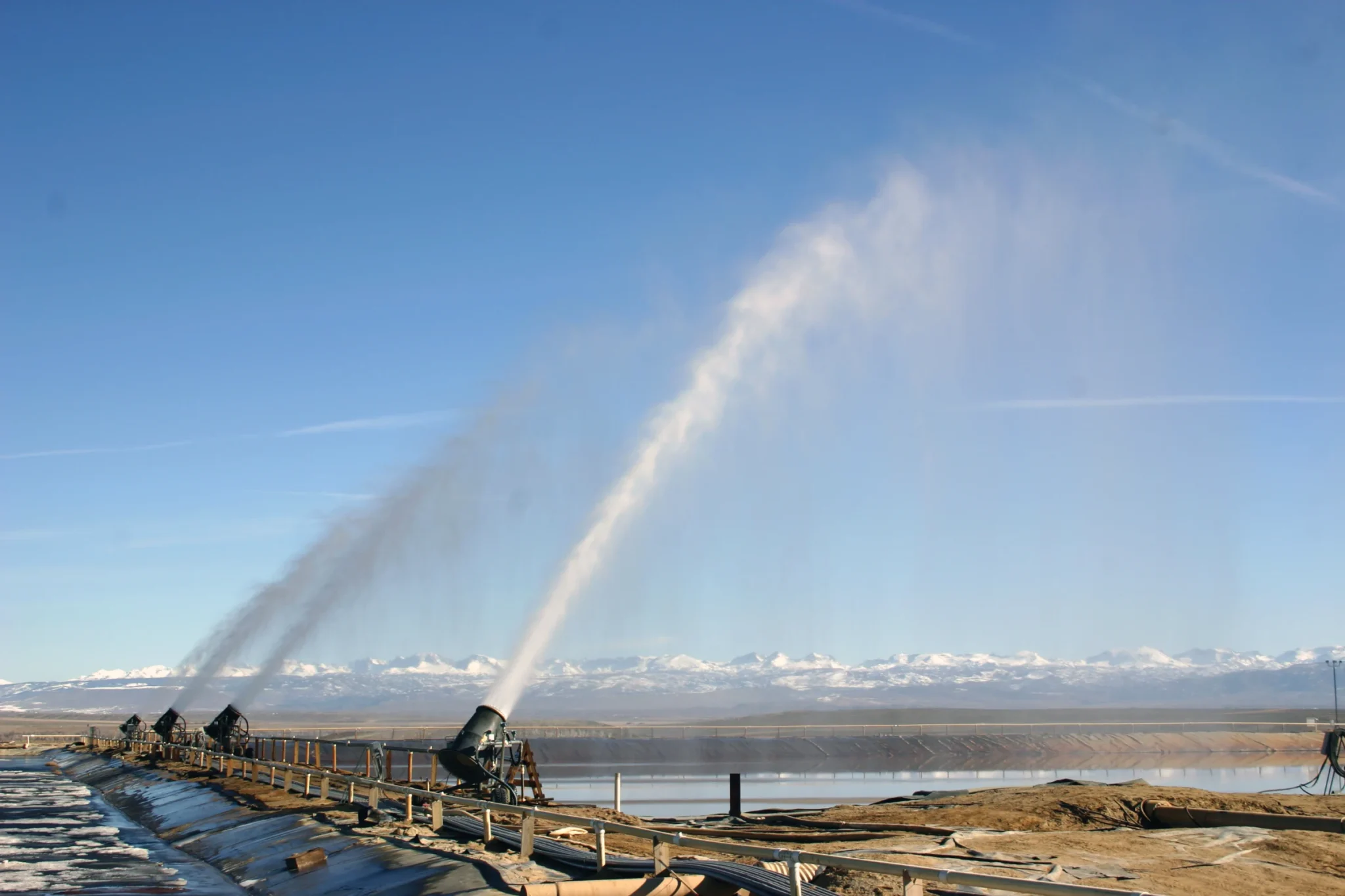
SMI mechanical evaporators reduce produced water on site, on the containment ponds the operation already has. According to SMI, they are up to 14 times more efficient than the same area of pond, and their use in the oil and gas industry has grown very rapidly in recent years.
What produced water contains
Produced water is usually high in total dissolved solids (TDS). It may contain:
- salt, oil and grease;
- natural inorganic and organic compounds;
- chemical additives used in drilling and operating the well;
- in some cases, naturally occurring radioactive material (NORM).
Its physical and chemical properties depend on the location of the field, the geological host formation and the type of hydrocarbon being produced, and its properties and volume can change over the lifetime of a reservoir. For that reason, the water and the site are analyzed before the system is defined.
How SMI evaporators fit an oil and gas operation
- On existing ponds. SMI presents them as a low-cost addition to enhance evaporation on existing containment ponds or to minimize the surface of new ones.
- Portable. The machines are relatively compact, reliable and efficient, and they can be moved to other sites as needed.
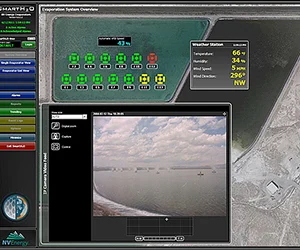
- Complete system. SMI covers the project from the initial site analysis to remote, centralized computer control.
Telemet support
Telemet’s team works with SMI Evaporative Solutions to recommend the right machine and configuration for each site and to support it in service, with spare parts, technical service and training. Ask a specialist about availability for your project.